Avoid manufacturing problems: make sure your auditor is up to speed

While all statutory audits can produce challenges, it takes a special depth of experience and sector knowledge to deal with the issues that arise in manufacturing, argues Page Kirk's Managing Partner John Wallis.
As an auditor, I'm often asked which sectors are the hardest to work in or produce the most complications. It's difficult to provide a definitive answer, as different areas of business all have their own quirks, idiosyncrasies and challenges. Manufacturing, however, does require a particular degree of patience and vigilance – something we always provide here at Page Kirk.

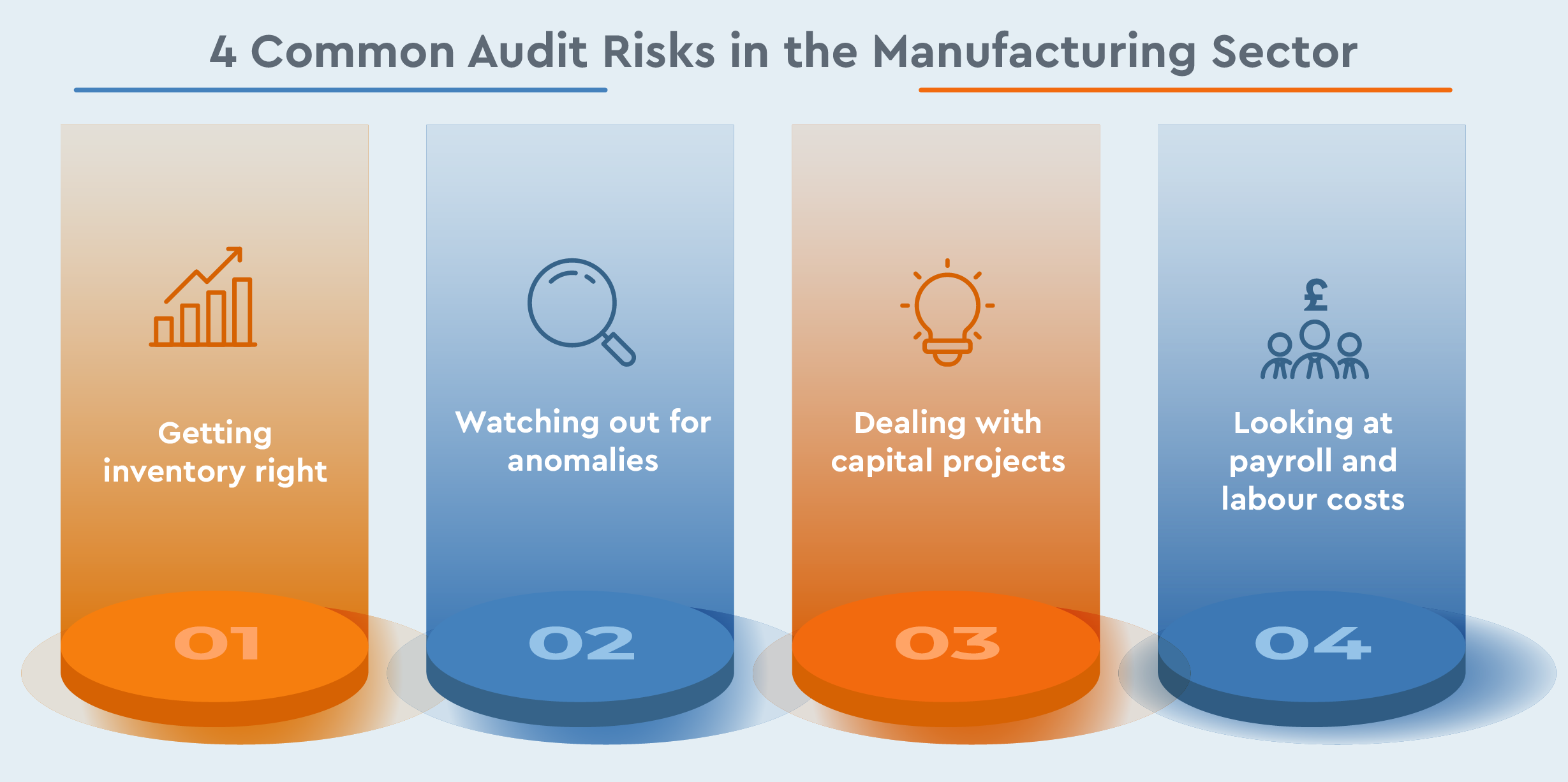
Getting inventory right
Inventory is perhaps the issue that comes up the most, particularly in the context of our post-Brexit supply chain.
It's easy to find that overheads have been allocated inconsistently and standard costs haven't been updated. Obsolete or slow-moving stock, which really should have been written down, has been ignored. I'm also on the look-out to ensure that the value of assets isn't overstated on financial statements. That means properly assessing and calculating a Net Realisable Value (NRV) – the amount you expect to see from selling inventory, after deducting all the relevant costs for finishing, selling or disposing of it.
Watching out for anomalies
Manufacturers often have long lead times, customised products and multiple delivery points. Sometimes the company records a sale before the customer actually has control of the goods, when really it should be afterwards. Cut-off at year end is often poor and some businesses operate bill-and-hold arrangements, where they've sold something and invoiced for it, but are still holding it in their warehouse. All of which can be pretty confusing for accountants!
Dealing with capital projects
Of course, one difference between our clients in the manufacturing sector and us is that they tend to love capital projects. (We're not always so keen!) Typical issues that arise would include repairs being capitalised instead of expensed, assets being depreciated when they've never been brought into use, or the absence of 'component accounting'. This is where you match depreciation to how different parts of an asset wear out, instead of pretending everything wears out at the same speed
Looking at payroll and labour costs
This is rarely straightforward in a manufacturing context! Sometimes we see overtime and shift premiums getting misclassified and labour costs incorrectly split between Cost of Sales and overheads. Agency labour is often not treated consistently. There's always a risk of HMRC scrutiny here and an added pressure comes about through potential errors with National Living Wage increases or pension auto-enrolments.
To be honest, there are a number of other factors which come into play in manufacturing environments, so I am scratching the surface here to a certain extent. The important thing to bear in mind is that when you engage an auditor, they really need to have a proper understanding of your sector and relevant experience. Only then can you be sure that likely issues are addressed rather than overlooked.
If you'd like to talk to a professional at Page Kirk about your own manufacturing business, simply email enquiries@pagekirk.co.uk or phone us on 0115 955 5500.
Visit our manufacturing service page to find out how we can help your business.
Accountants for Manufacturing businesses
Fact-checked and up-to-date
Verified
Published: March 2026
The Page Kirk team is committed to providing content that adheres the highest standards for accuracy. We evaluate how the content of each article aligns with current financial procedures and standards. Therefore, the information presented in this article is accurate and up-to-date.