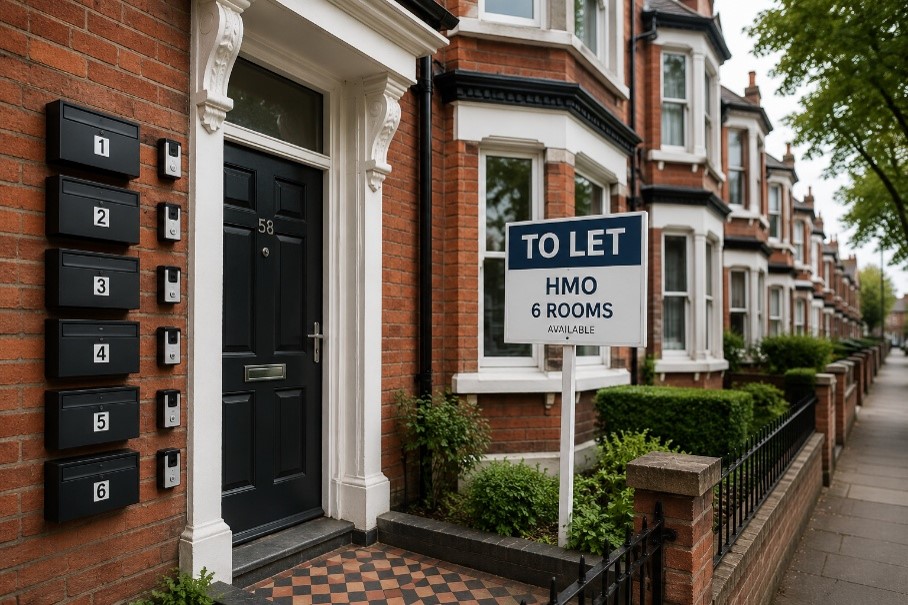
Choosing an Accountant for Your HMO Property Portfolio

Is your accountant giving your HMO portfolio the support it needs? Because of multiple tenants, higher turnover, licensing and different expense patterns, HMO landlords are very much in a category of their own, says Page Kirk Tax Technician Trisha Doan. And if you’re stuck with an accountant who doesn’t understand that, it may be time to consider a change.

Houses in Multiple Occupation (HMOs) may represent a minority of housing stock, but they play an important role – particularly for students, young professionals or casual workers. There are just under half a million of these properties in England. If you’re an HMO landlord, you have a range of quite specific challenges and you definitely need an accountancy partner who understands the sector.

Here are 6 warning signs that you may need to look for alternative support.

1. Your accountant is treating you like a standard buy-to-let landlord
If they don’t ask about room-to-room income and they don’t seem to understand void patterns or management intensity, you’re probably getting the same kind of advice they’d give a single-let landlord. You need something more tailored.

2. They’re not talking about proactive tax planning
Any accountant should be able to report on history, but you want someone who can look to the future too. If they’re only in touch at year-end and don’t talk about issues such as incorporation, profit extraction or the timing of major expenses or refurbishments, you may end up overpaying tax.

3. They have a weak understanding of property-specific rules
HMOs sit in a rather complex and tricky area when it comes to tax. It’s essential your accountant knows about Section 24 mortgage interest relief restrictions, capital v revenue expenditure and how furnished holiday lets differ from HMOs. If they don’t, it’s time to look elsewhere.

4. They can’t support your growth
Let’s say you’re moving beyond one or two HMOs. Now, you need strategic advice. This could include guidance on building a portfolio, as well as discussion of limited company structures, Special Purpose Vehicles and group structures. Is your accountant able to step in and provide the backing you need to grow?

5. They aren’t handling compliance and risk well enough
Any good accountant will be talking about record-keeping standards, preparing you for Making Tax Digital and reacting to changes in HMRC rules. If yours isn’t, then you could be facing fines or messy corrections down the line.

6. They’re not giving you full visibility on numbers
You need figures on profit per property and per room, along with a sense of upcoming tax bills and the balance between cash flow and tax liability. Without this vital information, you’re potentially sailing into trouble.


HMO landlord checklist

Ask yourself:

  • ✓ Does my accountant understand HMOs rather than treating them like standard buy-to-lets?
  • ✓ Do they offer proactive tax planning throughout the year?
  • ✓ Can they advise on incorporation, SPVs and growing my portfolio?
  • ✓ Do they keep me informed about HMRC changes and Making Tax Digital?
  • ✓ Do they provide meaningful reports that help me understand the performance of my properties?

If you answered “no” to several of these questions, it could be time to speak to an accountant with specialist HMO experience.

Frequently asked questions for HMO landlords

Do HMO landlords need a specialist accountant?
HMOs often have more complex tax, compliance and reporting requirements than standard buy-to-let properties. Working with an accountant who understands the sector can help you stay compliant, plan ahead and make informed decisions as your portfolio grows.

Can an HMO be owned through a limited company?
Many landlords choose a limited company structure, but the right option depends on your circumstances, future plans and tax position. A specialist property accountant can help you decide which approach is right for you.

What taxes do HMO landlords pay?
Depending on your circumstances, you may need to consider Income Tax, Corporation Tax, Capital Gains Tax and Stamp Duty Land Tax. Understanding how these taxes apply to your portfolio can help you avoid unexpected liabilities.

When should I change accountants?
If your accountant doesn’t understand HMO tax rules, only contacts you at year-end or isn’t helping you plan for growth, it may be worth speaking to a specialist HMO accountant.

How does your current accountant measure up? If you’re worried you’re not getting everything you should expect in terms of service for your HMO business, then it’s worth giving us a call. You can email enquires@pagekirk.co.uk or phone us on 0115 955 5500.

Related services

If you’re looking for further guidance, you may also find these services helpful:

Property Tax

Capital Gains Tax

Limited Company Advice

Selling your rental property

Capital gains on UK property guide

The Page Kirk team ensures all content is accurate, fact-checked, and aligned with current financial standards.

Latest Articles