Casual or seasonal workers? Remember, your payroll data obligations are permanent.

Whether you’re a retailer taking on Christmas staff, a warehouse gearing up for the festive rush or a hospitality business relying on casual workers during busy periods, you’ve got a tricky problem. You’re dealing with a constantly shifting workforce, but still have to comply with all the rules laid down by HMRC. Nicola Cantrill-Roome, from Page Kirk’s payroll team, runs through some of the issues you’ll need to keep in mind.

Perhaps the nature of your business simply demands a flexible workforce. At the same time, you have to follow the rules and regulations that are required for payroll compliance. With frequent starters and leavers, variable hours, changing tax codes and strict employment legislation, it can quickly become a headache. And payroll teams often face their busiest periods at exactly the same time as the wider company.

If this sounds like a dilemma you’re facing in your own sector, it’s important to remember you’re far from alone. Working with Page Kirk clients who employ people on a seasonal basis, I’ve seen the issues at first hand, and I wanted to share some of the general advice I typically give.

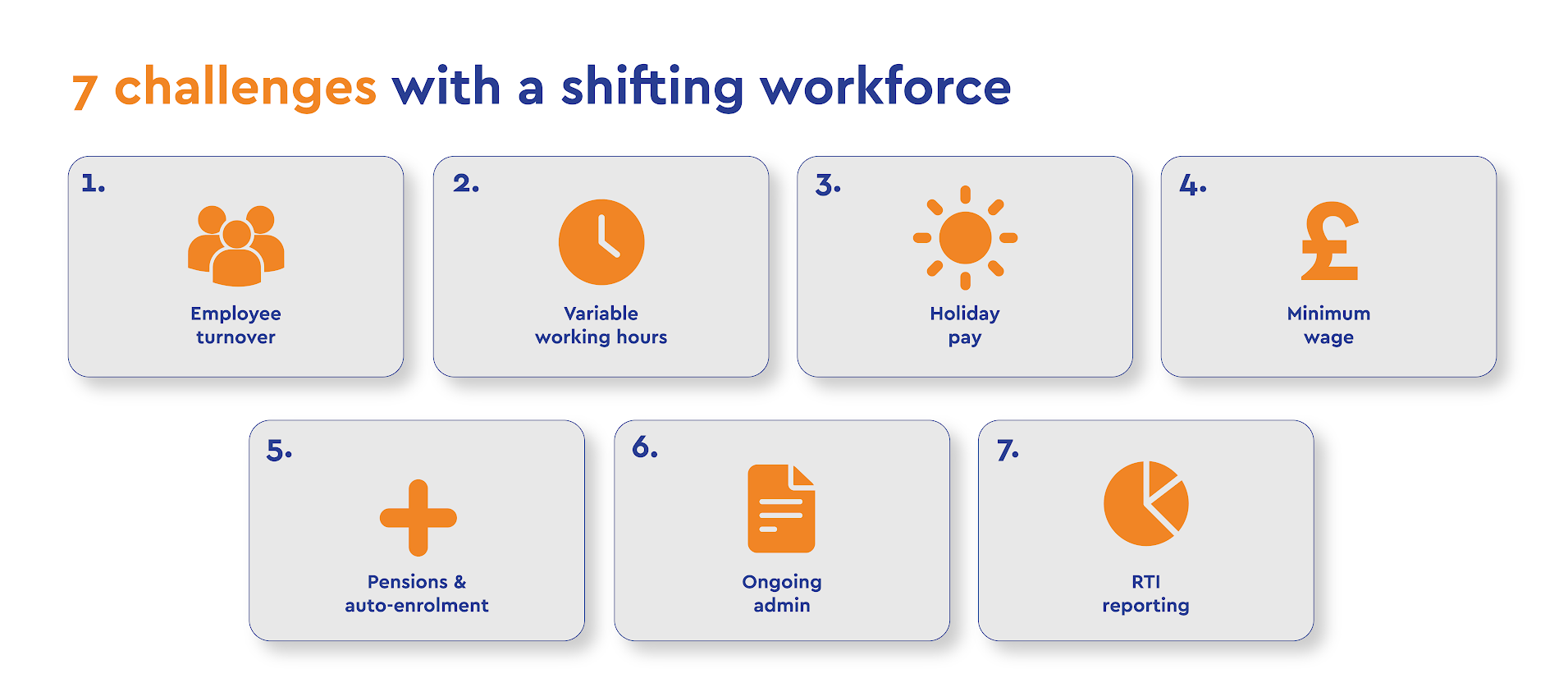
Addressing constant employee turnover

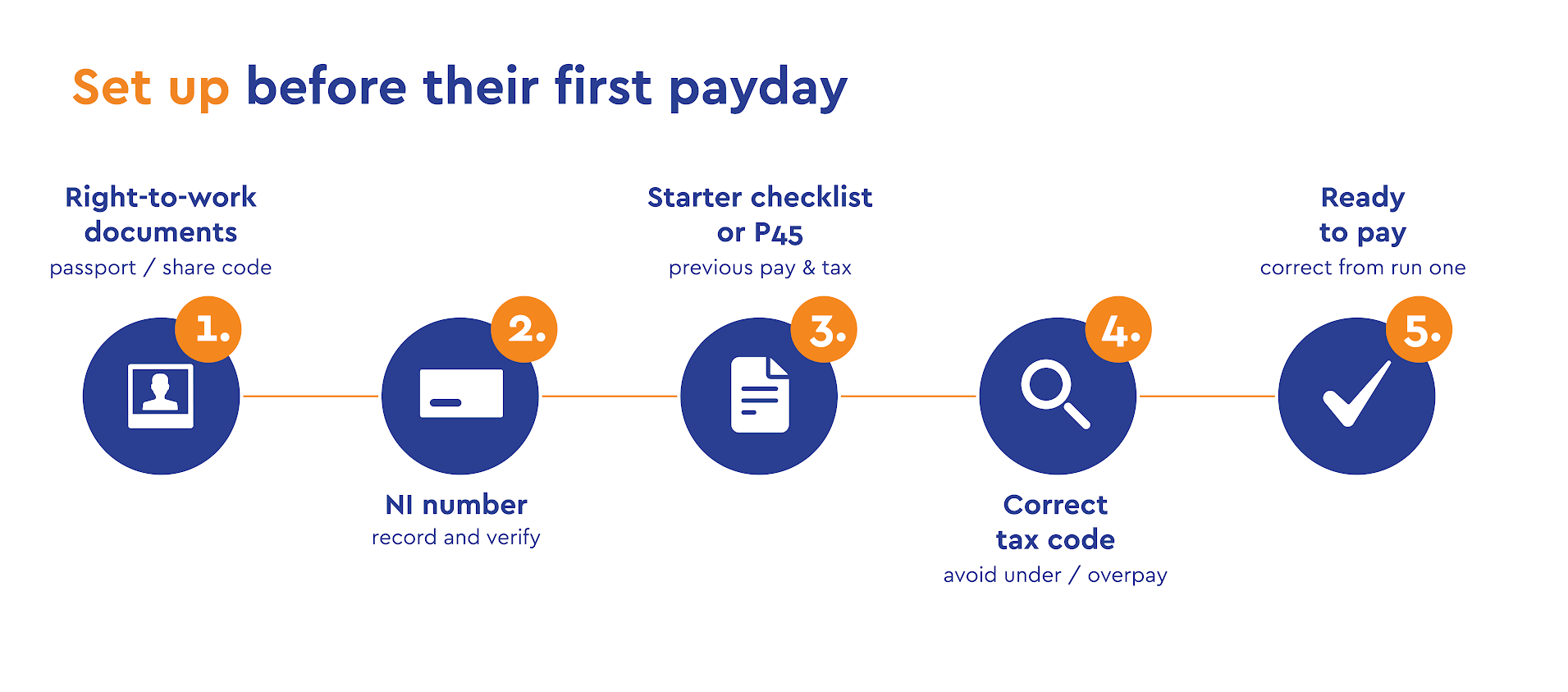
If you’re involved in, say, hospitality, retail or agriculture, you may recruit large numbers of temporary workers over a short period. You might have multiple new starters to deal with and you’ll be busy collecting right-to-work documentation and NI numbers, while processing P45s or starter checklists. The pressure is on to make sure everybody is properly set up before pay day!

Watch out for: a small mistake at this stage producing ongoing problems down the line. An incorrect tax code, for instance, could lead to under or overpayment and unnecessary admin.

Keeping an eye on variable working hours

Unlike salaried employees, seasonal workers rarely receive the same pay every month. You need to factor in:

  • Hourly pay
  • Overtime
  • Weekend premiums
  • Bank holiday enhancements
  • Bonuses
  • Commisssion
  • Tips or service charges in hospitality

Watch out for: many workers swapping shifts at the last minute. Rotas and time-recording systems become particularly important, and if managers are slow off the mark with their data, the payroll deadlines can become compressed.

Understanding the complexities of holiday pay

This is an area that can cause real confusion. Even workers only employed for a few weeks will end up being entitled to statutory paid holiday.

The chances are you’ll be puzzling over questions such as:

  • How much leave has been accrued?
  • Has leave actually been taken?
  • Should holiday be paid when employment ends?
  • How should holiday pay be calculated when hours vary?

Watch out for: the need to calculate holiday entitlement proportionately. You can’t simply allocate a fixed number of days, and this becomes particularly important where contracts are short.

Complying with the National Minimum Wage

There’s significant risk for your business here, so this is an important area to get right.

It’s your responsibility to ensure that employees receive the National Minimum Wage (or National Living Wage where it applies) for every pay reference period.

With seasonal recruitment, you’re more likely than average to be hiring younger workers on different age bands, apprentices, and employees who’ll actually turn 18 or 21 during the time they’re with you. Staff will often be working irregular hours. Your payroll systems therefore need to be able to cope with all this and apply the correct rates automatically.

Watch out for: deductions for uniforms, accommodation or equipment. These can reduce pay for minimum wage purposes.

Getting auto-enrolments and pensions right

Don’t fall into the trap of assuming temporary workers fall outside pension rules. It may not always be the case.

You will need to assess the age, earnings and length of employment of a seasonal worker – there’s an onus on you to keep records and carry out the required assessments.

Watch out for: over-reliance on technology. Yes, payroll software automates the process, but you are responsible for compliance.

Managing increased administration

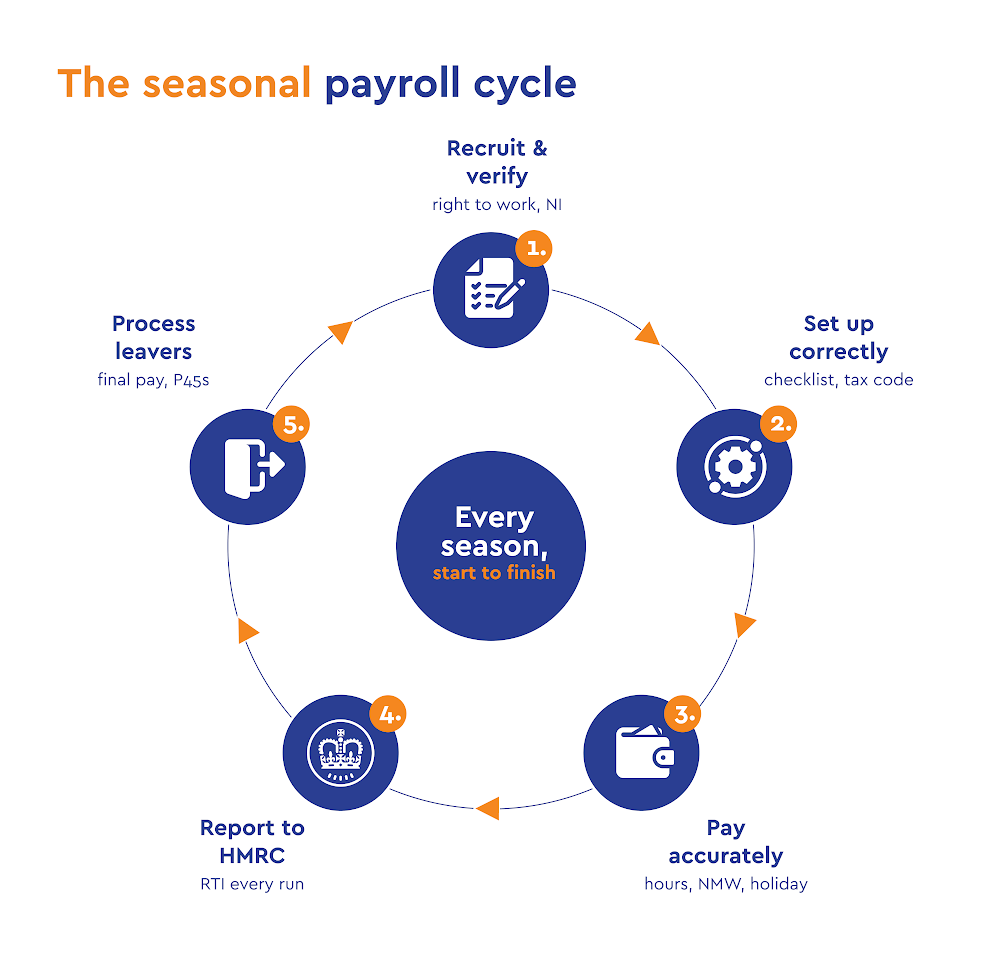
With frequent starters and leavers, payroll doesn’t finish after payday!

If you’re operating in a high-turnover sector, you’ll need to consider:

  • Final payments
  • Accrued holiday pay
  • P45s
  • Employee record updates
  • HMRC reporting

Watch out for: dozens of employees leaving at the end of a Christmas trading period, say, and then being replaced by summer staff a few months later. The admin cycle starts repeating itself.

Getting RTI right

Every payroll run has to comply with HMRC reporting requirements on Real Time Information (RTI). Even if an employee only works for one or two weeks, it’s generally expected that you’ll still submit accurate information to the tax authorities.

Watch out for: compliance issues and additional work correcting records. Seasonal employment may be temporary, but your payroll obligations are permanent.

Amid all these issues, you can probably sense the importance of technology – not as a replacement for human judgment, but as a big help in fulfilling your obligations.

Used effectively, technology can take some of the pressure out of staying compliant, particularly when you’re managing a workforce that regularly changes. It can help you identify pension eligibility, keep payroll information accurate and up to date, and submit data to HMRC in a compliant way.

If you want to discuss the challenges of payroll with a seasonal or casual workforce in more detail, please don’t hesitate to reach out to us here at Page Kirk. You can call us on 0115 955 5500 or email us at enquiries@pagekirk.co.uk.

The Page Kirk team ensures all content is accurate, fact-checked, and aligned with current financial standards.

Latest Articles